On-Grid Solar Panel System
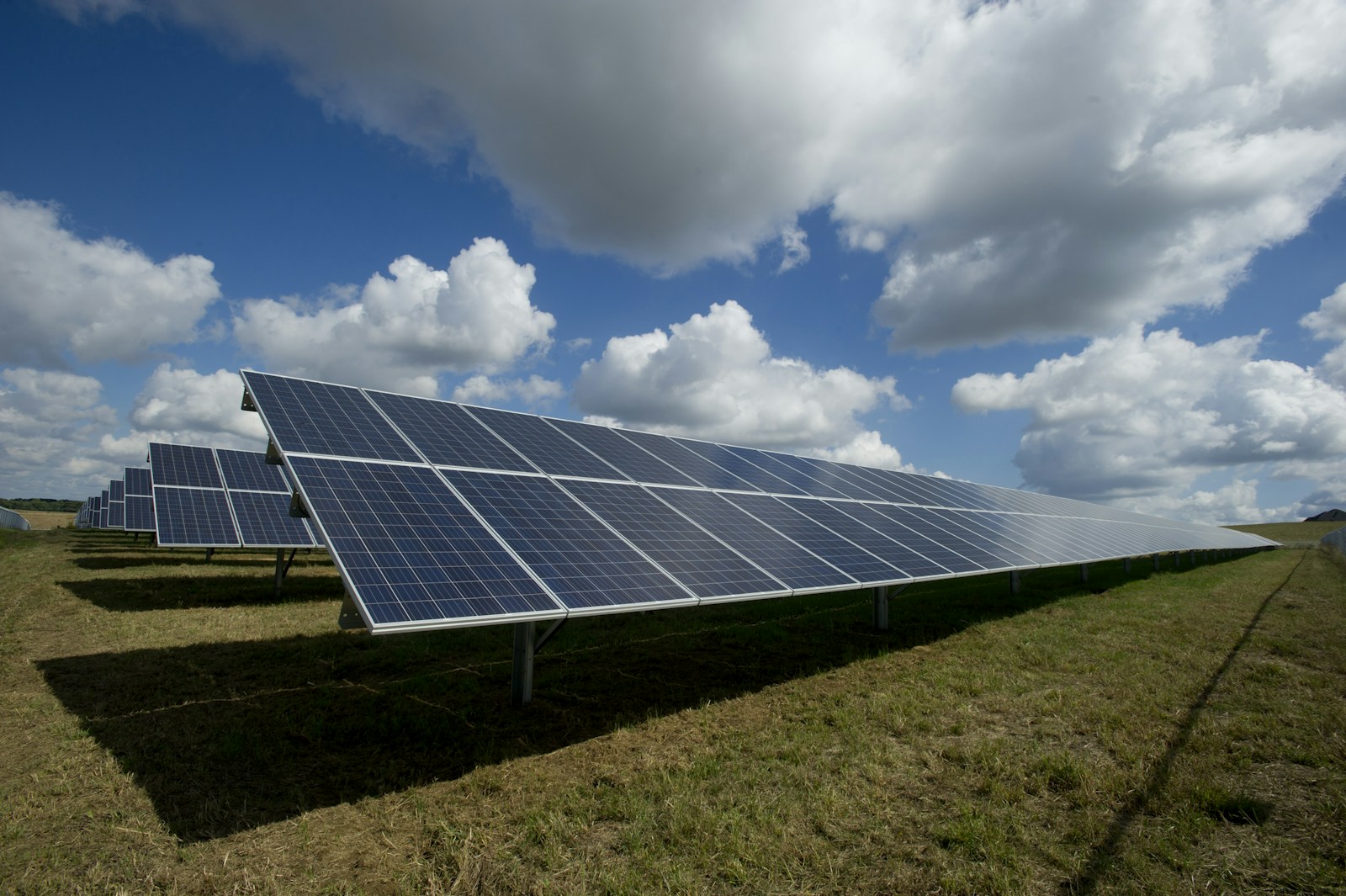
On-grid solar panel systems, also known as grid-tied solar systems, are a type of solar power installation directly connected to the local electricity grid. These systems utilize solar panels to generate electricity, which is used to power your home or business, and any surplus energy produced is fed back into the grid, potentially earning you credits through net metering programs
Components of an on-grid solar system
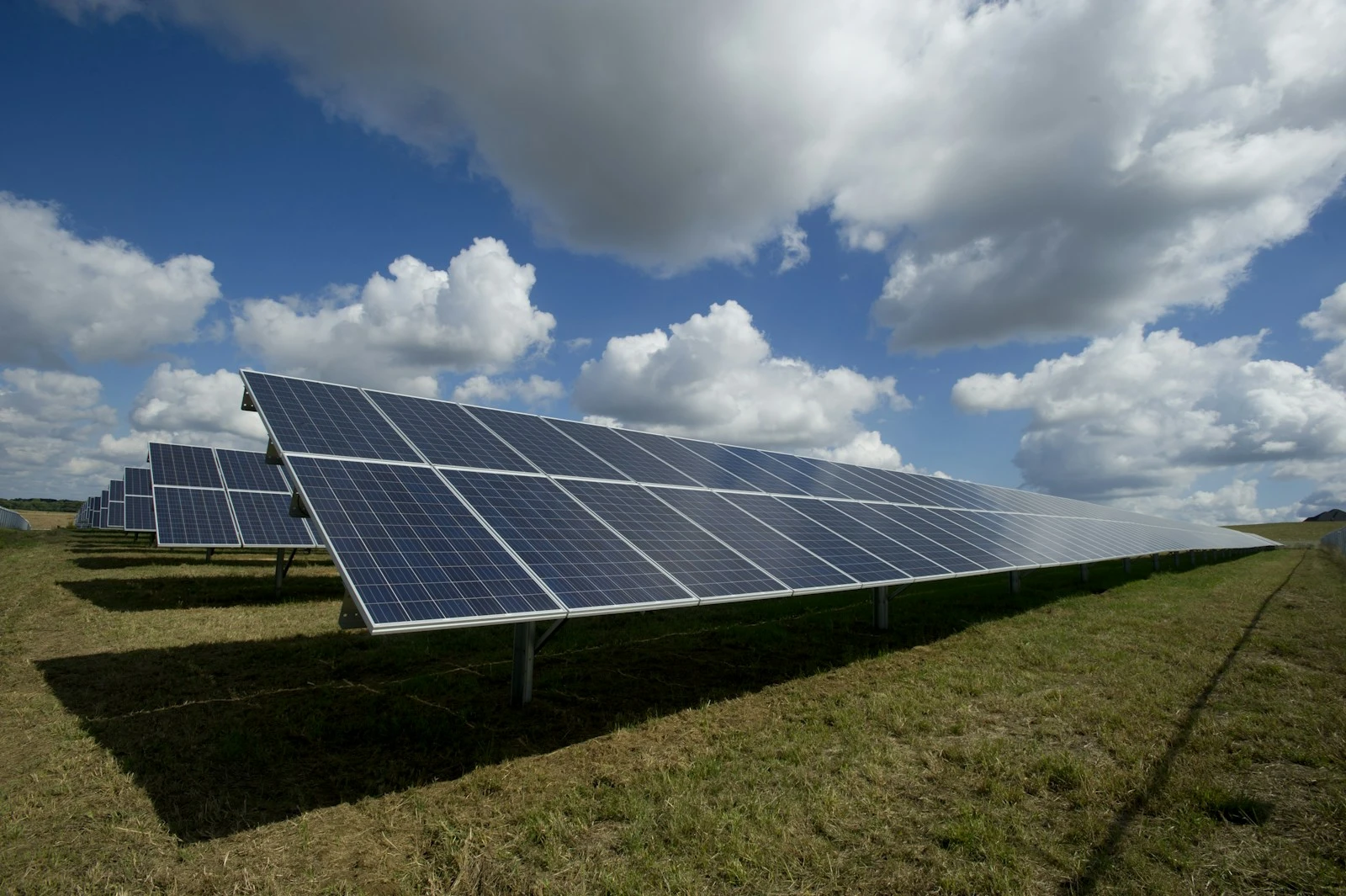
Solar Panels: Convert sunlight into direct current (DC) electricity for your home.
Inverter: Converts the generated DC electricity into alternating current (AC) used by household appliances.
Bi-directional Meter (Net Meter): Tracks electricity sent to and received from the grid, enabling net metering.
Mounting Structure: Provides stable support and proper tilt for solar panels to maximize sunlight absorption.
Electrical Wiring: Ensures safe and efficient connectivity between panels, inverter, and the grid.
Considerations before choosing an on-grid solar system
Energy Consumption: Evaluate your average monthly electricity usage to choose the right system size.
Roof Space and Orientation: Ensure your roof has enough space and receives adequate sunlight for optimal panel placement.
Budget and Financing: Review installation costs, subsidies, loan options, and long-term savings.
Local Regulations: Understand area-specific solar policies, approvals, and net metering requirements.

sdfsdf
sdfdsff

Get Quote
Save electricity bills by switching to solar
Book a Free Consultation >